
Autoresponders
Get Your Content Shared – 10 “How To” Clues for Your Business

 Think of the Internet as the single greatest vehicle ever that a business owner has to send his content to the public. Pre-Internet, the options available were the media (TV, radio, newspapers, magazines, etc), books, letters, direct mail and word of mouth. How many small business solo operators use these same platforms today? Some use a few . . .
If you agree that the Internet is the greatest content vehicle, surely social media must be today’s preferred ride! Social media platforms enable any content to be shared easily, quickly, and almost effortlessly without cost or commitment to the creator, the middle man (sharer), or the end user. Not only that, but the sharer can be seen as a valuable friend, a niche expert, and in some cases, even a consumer resource worth paying for!
I believe a business owner (or a freelancer he employs) can prepare content in such a way that it is most “shareable” (if that is a word) and an enticing entry point to his online business. Good content creators have a knack for producing shareable content without thinking about it too much; others of us have to be more deliberate in our content structure and style so that our readers will want to pass along our content.
Here are ten (10) easy-to-decipher clues that should help your business create better shared content. I call them “clues” because these ideas are just that – they are clues that you will have to interpret or fit into your own content process to make them effective for your particular business niche and situation.
1- One piece of content – one purpose. Each piece of content should have a singular purpose, a planned mission, a reason for being. Don’t get greedy and try to stuff too much into one blog post, article, suggestion, or idea. Keep a narrow but deep pattern to each content piece. Answer one question. Solve one problem. Tell one story. Give one piece of advice. But . . . don’t be afraid to go deep into the details of that one subject. If your purpose is to solve a perplexing niche problem, you may not be effective if you just gloss over the details – the step-by-step guidance that people often want.
2- Focus on niche specifics. This clue goes hand-in-hand with the previous idea about your content having just one purpose. In most cases, people don’t share general or obvious content. Why would they? People like to share specific niche tips, insights, solutions, secrets, and stories that might not be found anywhere else. People share original ideas; often things they are hearing for the first time. So focus any content you want shared on things in your niche, your products, your business, or your advice on original thoughts you have – on things unique or particular to your own business. Differentiate your business brand from your competitors and prove your worth in the type of content you offer.
3- Make sharing easy. This goes without saying, but many content creators do nothing to ease the work or time it takes to share their content. Most social media platforms offer bloggers, web developers, and businesses tools and buttons that make sharing a breeze. Make good use of the tools and technology available and encourage sharing at your web site. Some businesses even provide incentives or rewards for the sharers like individual recognition for “serial” sharers, “count” dials for the number of shares by a member, discounts on products for top sharers, or access to restricted content.
4- Professionalism and design are important. Plain text, especially if it is crammed together and difficult to read, is a turn-off for most viewers. Content with lots of errors (spelling, grammar, style) is a turn-off. Hard to read typefaces, narrow margins, and a lack of white space within the content are to be avoided. How the content is wrapped and presented makes a difference – sometimes a big difference.
Think of this clue like this: imagine a beautiful layer cake with fancy chocolate swirl frosting, colorful garnishes, and mouth watering visual appeal. Now, also imagine a greasy-handed mechanic grabbing a big handful of the cake and slapping it down on a rusty old oil pan he grabs from the trash bin for a plate. All of sudden, the delicious cake (content) is not quite so tantalizing and inviting; in fact, it may turn your stomach to even think about consuming it. Sure, this example is a stretch; but I want to drive home the point that great content deserves to be aesthetically pleasing or it may not result in any shares at all – even if the content is valuable!
5- Shared content is interesting content. People don’t share things that are boring, dull, humdrum, tedious, bland, routine, uninspiring, apathetic, and plain. They share things that they believe their family, friends, and other like-minded souls will find interesting, valuable, helpful, cool, fun and/or worth chatting about. People share content to engage others, to keep relationships fresh, and to start conversations that can lead to engagement and dialogue about other subjects and personal interests.
6- Content that entertains gets shared. Sharers like to be heroes. They like to make others feel good, laugh, be happy, smile at their share, and they like to be the one that makes the entertainment accessible to their followers. Research has shown that articles that excite, elicit laughter, inspire, or create awe in the consumer are much more likely to go viral than those that merely inform or give the facts. Why? Entertainment triggers an emotional response, an excited reaction, and subsequently, a desire to include others in the “fun” or wonder.
7- Valuable content is “worth sharing.” A focus group was asked if they individually assessed or judged the value and usefulness of content to the recipient prior to deciding whether or not it was worthy of sharing. 94% of that group indicated that indeed, content value was an important consideration in their content sharing. Most people are generous and caring, at least with those that are in their social media “friends” circle. They want to be helpful and giving to those they engage.
8- Cause driven content. Most everyone has a cause, a crusade, a banner to follow, a team to cheer on, a cross to bear, or a purpose or belief that they want to be known for. Sometimes our causes define us. People share content to show who they are, what they stand for, what they like and dislike, things that (in the sharer’s mind) are right or wrong, and what issues they care about. Cause driven content can be a very polarizing format. Don’t worry that it may upset some, when at the same time, it endears others. Just as with entertainment, cause driven content triggers emotional response and is a likely candidate to be shared repeatedly and by those that are sympathetic and sometimes by those that are hostile to the cause.
9- Sharers want approval and validation. Why do the social media platforms encourage “friending”, “likes,” and “shares”? Research and testing has shown that humans want the approval and acceptance of their peers. In studies like “The Power of Likes”* researchers found that people were more apt (32%) to “like” or up-vote a pre-liked post or comment. If something is already popular within a social group, chances are very good it will be also be popular with newcomers to that group. Can you create or position content that will resonate with your immediate audience? If so, it will likely also be shared by their social circles of like-minded friends and followers.
10- Branded content encourages repeat sharers. Small business owners shouldn’t have to be reminded to create a unique brand and attach it to every piece of content that leaves the business. People that share brand content often return and share more of that same brand’s content over other alternatives. If the sharer sees the value and consistency of content created by a business, chances are good that he/she will return again to share more of that same helpful, or entertaining, or cause-driven content. The value of a group of consistent “serial sharers” to a business can’t be overstated. Create a valuable and trusted brand known for outstanding content and the chances that your content will be shared (partially because of your brand) increases substantially.
Sometimes, being able to work more than one of these ideas into a piece of content will give you some bonus impact with potential sharers. But I would caution every content creator and say that it is not necessary – don’t get carried away with trying to incorporate multiple suggestions given here into one piece of content. Remember Clue #1 – One piece of content – one purpose.
*Source: “‘Like’ This Article Online? Your Friends Will Probably Approve, Too, Scientists Say”, Kenneth Chang in NYTimes.com
Feel free to tell us about other shared content clues you have used in your business.
To your online business success,
Steve Browne
www.SteveBrowneDirect.com
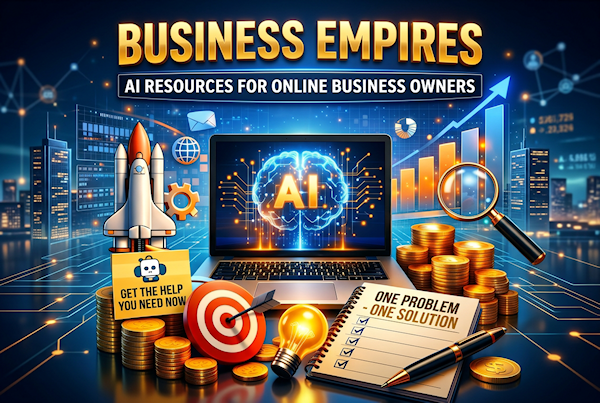
 You’ve created a blog or a niche website with quality content that your prospects want. You’ve included a compelling sales page and an order button.
Now what? How do you convince your prospects to become subscribers and customers of your niche business?
There are many creative and unique ways to do it, but often the tried and true proven techniques that other successful online business owners have used for years are the place you should start.
1. Specialize and Focus Like a Laser
It seems almost counter-intuitive – you’d think that if your site would appeal to as many people as possible, you’d get more members. But usually it doesn’t work that way. Instead, you’ll get more members once you focus your site’s topic and all your marketing materials like a laser on one niche only.
Example: Let’s say your site teaches people how to build a website. You should focus on one niche, such as “web design for ebook marketers” or “web design for private practice doctors.”
Think about it . . .
Let’s say an ebook marketer wants to learn how to build a site. Is he going to go to “Joe Blow’s Web Design” membership site . . or to the “Web Design for Ebook Marketers Site?” That’s right, he’s going to choose your site because it’s geared specifically to his needs.
2. Give a Free or Low-Cost Sample
You can get more paying customers and members if you first give people a free or low-cost trial membership (such as $1 for one week).
Doing so gives people a chance to get a look at the inside of your site to see if it’s right for them. Since you collected their credit card info before they joined the site, you can automatically start their paid subscription once the trial is over (of course begin fully transparent about how your offer works, when they will be charged, etc).
3. Share the Benefits
As mentioned previously, you’ll need a sales letter to help turn prospects into members. While you’re sharing all the benefits of your membership content in general, don’t forget about the benefits of the membership site itself. For example:
- Small price. A monthly fee (such as $10 or $20 or even $50 per month) sounds small compared to a one-time fee such as $297. As such, you can get more members by focusing on this small recurring fee. You may even break it down further by reminding your prospects of the daily cost (e.g., “just 75 cents a day – about the price of a candy bar…”).
- Not overwhelming. If you have a training site and you’re tackling a big topic, let prospects know that they won’t get overwhelmed since you’re offering a step-by-step course in weekly installments.
4. Let People “Peek” Inside the Site
Whether you offer free trials or not, you can get more members simply by letting prospects “peek” inside the site. There are multiple ways to do this, including (but not necessarily limited to):
- Providing partial content, such as the first paragraph of an article with a link or a description of report with a link. When people click on the link, they’re encourage to become a member.
- Screenshots of the inside of the site, which shows the materials available, a listing or relevant content, the community forum, etc.
- Video of the inside of the members-only area of the site. Just use screen recording software like Camtasia and record yourself “touring” the site. It’s a very compelling way to introduce what you offer.
5. Create an Enticing Squeeze Page
You can’t just put up the words “free newsletter,” post your subscription form and expect a rush of new subscribers.
Instead, you need to create a squeeze page, which is sort of a sales letter for your newsletter. This page should include the usual parts of a sales letter such as the headline, the bulleted benefit list and a strong call to action.
Here are two additional tips:
- Answer the “what’s in it for me” question (WIIFM). From the second your reader lands on your squeeze page, he’s going to wonder, “what’s in it for me?” Your headline should answer that question by promising a big benefit. Every line of your copy should continue answering that question until your prospect is convinced he needs to join your list.
- Make it reader-oriented. Your letter should use the word “you” as much as possible (otherwise the reader will lose interest). If you have statements that include the word “I,” see if you can rewrite them using the word “you.”
Example: “I’ll show you how to train your dog.”
Rewritten: “You’ll discover how to train your dog.”
6. Offer a Freebie in the Form of a “Lead Magnet”
Yes, your newsletter is free. But you need to offer a little extra bonus to entice subscribers to join right now. This extra bonus might be something like:
- Free access to a membership site.
- Free ebook or special report.
- Free access to tele-seminar.
- Free audio recordings.
- Free video.
- Free software.
- A free multi-part e-course delivered by autoresponder. (This is one of the best freebies, because it trains your subscribers to read your emails!).
- Other free tools, help or resources.
7. Provide Social Proof
Your prospects may not believe or trust you if they don’t know you well. If they don’t believe you, they’ll guard their email addresses and click the back button. That’s why you should include proof such as endorsements, testimonials, screenshots, video, pictures and other evidence that your claims are true.
Examples:
- You might provide “before” and “after” pictures on a bodybuilding site.
- You might provide video proof of your Clickbank account to show that you know what you’re talking about in terms of affiliate marketing.
- You might add testimonials from your customers showing how you gave them expert training in your membership site.
8. Arouse Curiosity
One of the best ways to boost your conversion rate is by arousing your prospect’s curiosity about your newsletter and/or your freebie offer. You can do this in your headline as well as in your list of benefits.
Examples:
- “Discover a sales letter trick that doubles your conversion rate overnight – see page 18 to learn this surprisingly simple trick!”
- “You’ll find out what five words you can say to a marketer that will virtually guarantee he’ll agree to your joint venture!”
9. List Your Policies (Terms & Conditions, Privacy Policy, Earnings Disclaimer, etc)
You should include a link to your privacy policy on your newsletter subscription page. Most people won’t read it; but, it can boost your conversion rate for those individuals who are concerned about how you’ll use their contact details. Be sure to let subscribers know you won’t trade, sell or otherwise share their information. You want to reduce the risk a prospect feels when volunteering his private information.
10. Make Individual Contact or Follow-up
Most marketers won’t do this . . . but if you can (especially if your list is small and in the early stages), it will endear your subscribers to you because most of them will never have another business owner personally follow-up with them without being asked to do so. Personal contact is not “business as usual” on the Internet! Don’t be afraid to show your customers that you’re a concerned and caring individual.
Well, there you have it – 10 proven ways successful marketers get more people to join their email list. Naturally, just knowing these tips won’t grow your list. So start applying them today, because the sooner you do, the sooner you can reap the rewards!
To your online business success,
Steve Browne
www.SteveBrowneDirect.com
 There’s a fortune that lays hidden in your mailing list. The bigger your list, chances are the bigger fortune for you to tap.
That’s why these 10 ideas or tips for getting more mailing list subscribers are almost as good as money in the bank!
1. Include a call to action (CTA) at the end of your blog posts
Let your visitors know that if they like your blog posts, they’ll love your newsletter content. That’s because you save some of your best niche tips, tricks and secrets for your loyal subscribers.
To get more subscribers, include a link to your landing page at the bottom of your posts, along with a reason to click on that link.
Example: “Discover 101 more weight loss tricks for free – click here!”
2. Encourage a viral effect
You can get more subscribers simply by including a note at the bottom of every newsletter where you encourage your existing subscribers to forward your email (or newsletter) to their friends, family and colleagues who could benefit from the information.
Example: “Do you know someone else who could benefit from these dog training secrets? Please forward this email to them – they’ll thank you for it!”
3. Use your forum signature file to get new subscribers
If you’re visiting busy niche forums, include an ad and a call to action in your forum signature.
Example: “Free report reveals the health secrets your doctor doesn’t want you to know! Click here to claim your copy now…”
4. Point your Twitter followers to a free report
You can use Twitter.com as well as other social media sites (like Facebook.com) to grow your list. Simply point your fans and followers towards your squeeze page to pick up a free and valuable niche report. Include this link on your profile page as well as in some of your posts (“tweets”).
5. Embed your links in your products
Sometimes people share your digital products with their friends. Sometimes they give away or sell pirated copies of your product. Either way, you can benefit from this if you include links to your squeeze page in your paid products.
6. Drive traffic to your landing page using videos
You can create YouTube.com videos for the sole purpose of driving traffic to your newsletter sign up page. To get the best results, include a call to action at the end of your video where you promise viewers they can get the second part of the video – for free – when they join your list.
7. Tap into Quora to get new subscribers
Make relevant content contributions around niche topics with the purpose of driving visitors to your landing page or web site. In other words, all your content and social media links should point to your landing or squeeze page (depending upon your purpose).
8. Co-promote with others in your niche
Here you can swap endorsements with your partners. You can post your endorsements on your respective blogs as well as in your newsletters and subscriber emails.
9. Unleash the power of content marketing
This is one of my strongest suggestions: create a multi-part article or report series around your niche topic. Then upload Part 1 to the article directories (such as EzineArticles.com, GoArticles.com and IdeaMarketers.com) and upload the rest of the series to your autoresponder. Use your article byline to encourage people to get Part 2 of the article by clicking through to your squeeze page.
10. Form a newsletter co-op
Do a co-registration deal with one or more authoritative people in your niche. That is, when a prospect is joining your partner’s newsletter, they also get the option of joining your newsletter at the same time (simply by checking a checkbox).
Summary: You can use each of these ten ideas to get dozens, hundreds or even thousands of new subscribers. Just imagine how big your list will be once you apply all these methods and do it consistently over time!
To your online business success,
Steve Browne
www.SteveBrowneDirect.com
 Imagine this…
You create your amazing product. You put up your sales page and order button. Then you unleash your advertising skills to get your offer in front of as many people as possible. And then . . .
Nothing.
No sales. Well, maybe a tiny trickle. But not the flood of PayPal or Clickbank notifications that we you were expecting.
Avoid this nightmare by following these simple and proven tips for getting others to buy your products.
1. Get the Offer in Front of Targeted Audiences
First things first: get your offer in front of laser targeted prospects.
Example: If you’re selling a dog training book, don’t email your marketing list and expect to make sales. Instead, get your offer in front of people who are likely to buy (e.g., people who need to train their dogs). Of course this strategy requires that you have researched the marketplace so you understand where your specifically targeted prospects can be found.
2. Craft a Compelling Sales Letter
Next, you need to create a sales page that persuades your prospects to buy your product. This means your sales letter ought to have an attention-getting headline, an opener that hooks the prospect and engages his/her emotions, a bulleted list of benefits, proof that your claims are true and a motivating call to action.
3. Give a Bonus
You want to give your prospects a good deal, so that as they read the sales letter they’re thinking, “Wow, I can’t believe I get all this for just 50 bucks” or whatever. Then you really thrill them by throwing in a valuable, tightly related bonus. This small act turns a “good deal” into a “no brainer” and it can entice fence sitters to take action because of the bonus that competitors don’t offer.
4. Offer a Guarantee
Your prospects are worried that your product won’t work for them. So put their worries to bed by offering a risk-reversal – that is, a satisfaction guarantee. Unconditional, strong and long guarantees usually deliver the best conversion rates to you.
5. Create a Sense of Urgency
You need to have a strong call to action at the end of your letter that tells your prospects exactly what to do next (e.g., “get out your credit card and click here to get started now…”). But you also need to give your prospects a good reason to act NOW, otherwise they may leave the page and not come back.
The solution? Create a sense of urgency by:
- Reminding the prospect that his pain and his problems will be over when he buys the product.
- Offering a limited-time discount or bonus offer.
- Offering a limited quantity of products.
- Offering a bonus or discount to the first few dozen or hundred people who order.
6. Close the Sale Via Multiple Contacts
The vast majority of your prospects won’t buy the first time they see your sales page, especially if they don’t know who you are (or they weren’t referred by a trusted friend or third party). As such, you can increase your conversion rate by getting your sales letter visitors into an autoresponder series of at least seven messages. This series should build trust by offering a good content, while including promotions to close the sale.
7. Test and Track Your Results
Finally, testing and tracking your sales letter, price, and ad campaigns puts more money in your pocket. It helps you figure out what part of the process gets more people to buy your product. That way, you can focus on those parts of the process that give you the highest profits.
You just discovered seven surefire ways to get people to buy more of your products.
Don’t pick and choose the methods you like best. Instead, incorporate all seven ideas . . . and enjoy the results!
To your online business success,
Steve Browne
www.SteveBrowneDirect.com

Consumers Love “How to” Articles, Ebooks and Reports
Membership Sites – When is This Business Model Effective?
A Power of a Strong Call-to-Action

Startup adds beds and Wi-Fi to buses to turn them into ‘moving hotels’
5 Crowdfunded products that actually delivered on the hype
Ford’s 2018 Mustang GT can do 0-to-60 mph in under 4 seconds
-
 Tech9 years ago
Startup adds beds and Wi-Fi to buses to turn them into ‘moving hotels’
-
Tech9 years ago
5 Crowdfunded products that actually delivered on the hype
-
Tech9 years ago
Ford’s 2018 Mustang GT can do 0-to-60 mph in under 4 seconds
-
Tech9 years ago
Hulu hires Google marketing veteran Kelly Campbell as CMO
-
Tech9 years ago
NASA seeks to build a quieter supersonic plane for passenger flight
-
Tech9 years ago
Netflix was the top grossing app in Q2, with mobile revenue up 233%
-
Tech9 years ago
Microsoft Paint is finally dead, and the world Is a better place
-
Tech9 years ago
Mobile Google CEO Promises 11 Daydream-compatible phones